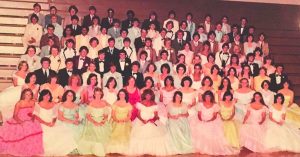
PROM 1981
by Adison Clark, BCHS Journalism
Every year during the height of spring since the early 1900’s, all junior and senior girls in American high schools have been rushing to boutiques and clothing stores to find the perfect, unique dress for prom. Prom, short for promenade, is a significant event in the high school experience, offering students the chance to socialize, dance, and create lasting memories outside of a classroom. It’s a night filled with excitement, elegance, and self-expression, and the choice of dress is a central part of that celebration.
Over the past 100 years, the style of prom dresses has evolved dramatically, reflecting changes in fashion trends and cultural influences. In the 1920’s, during the Age of Jazz , prom dresses were often flamboyant and glamorous, featuring beaded embellishments, fringes, and drop waistlines inspired by flapper fashion. The 1950’s had a shift to more feminine and modest styles, with full skirts, sweetheart necklines, and pastel colors becoming popular. The 1980’s had bold, dramatic designs with bright colors, ruffles, and big skirts, creating a sense of individuality and fun. In recent decades, the style has become more diverse, with trends leaning toward sleek, modern silhouettes, detailed lace, and elegant fabrics.
By 2026, prom dresses continue to blend tradition with innovation, incorporating sustainable fabrics, technological embellishments, and personalized touches. Despite these changes, the main idea remains the same: prom dress styles have always been a way for girls to express their personality and celebrate an important milestone in their lives.
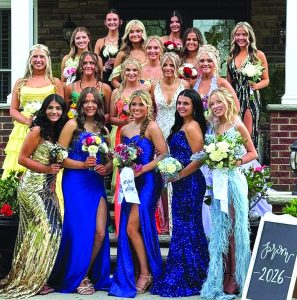
PROM 2026